
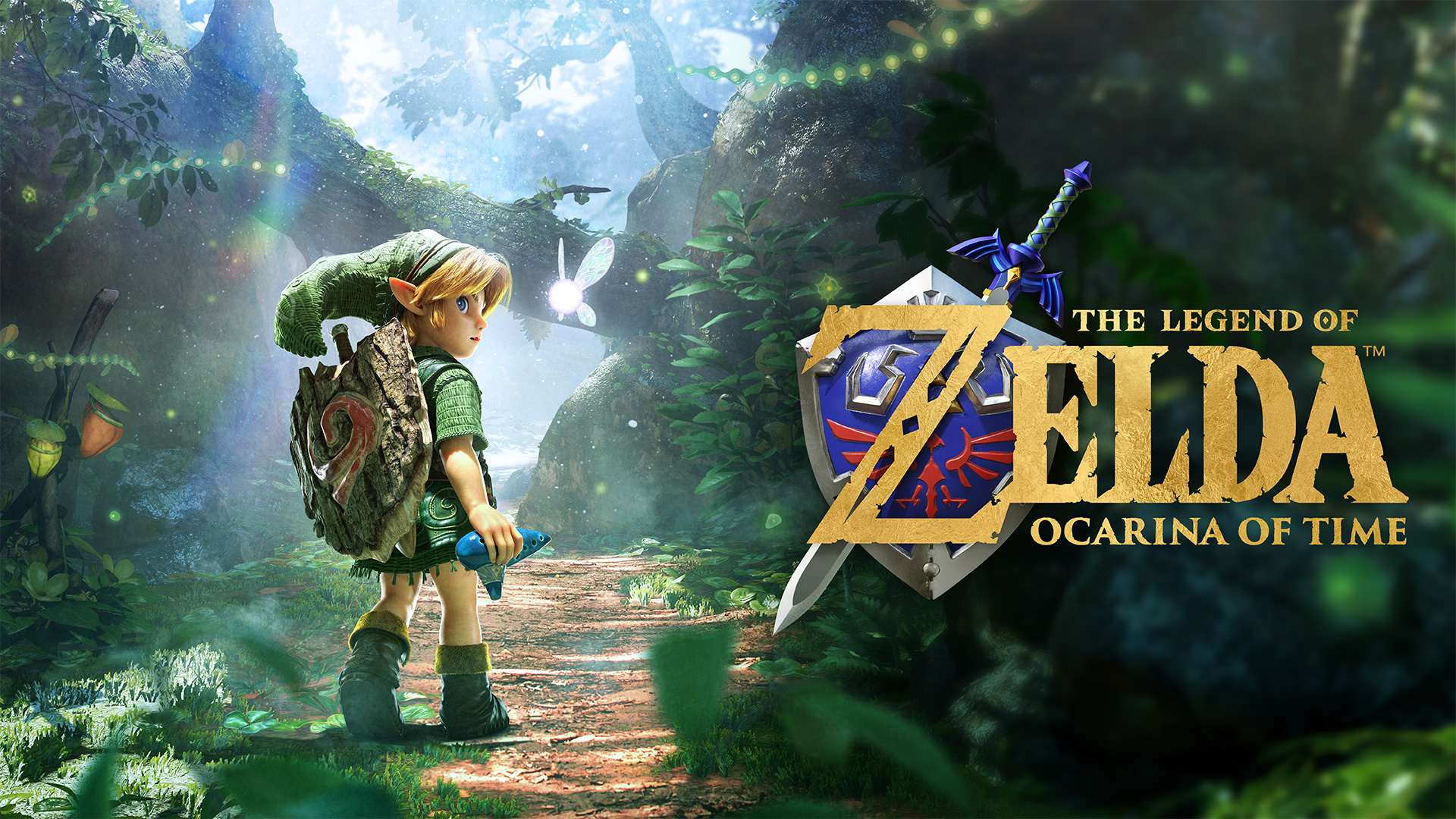
Ocarina of Time Switch 2 previews went live on October 14, and the early verdict from hands-on sessions is that Nintendo has rebuilt the N64 classic without losing what made it special. Previewers got roughly 90 minutes to two hours with the November 5 remake (see the overview trailer), covering Kokiri Forest, the Deku Tree, Hyrule Field, Castle Town and the Forest Temple. Scored reviews are not out yet, so think of this as first impressions rather than a final call.
Yes, it’s still scary
If the Forest Temple gave you chills as a kid, it may do it again. The Verge called the remake “surprisingly terrifying at times” and singled out rooms with red stained glass, where Link passes through beams of light and gets cast in the color of blood. Cameron Faulkner wrote that the new art style can finally show the game’s horror themes in ways the N64 couldn’t.
Tom’s Guide felt the same pull, describing a much moodier temple thanks to darker lighting and a “brooding feeling” that got stronger in the famous twisting hallway. Nintendo Life noted the eerie Forest Temple music is so close to the original you could almost mistake it for the N64 track, and The Mirror said Phantom Ganon looks “more menacing than ever” in a misty, atmospheric arena. The demos stopped at the Forest Temple, so nobody has seen what the remake does with the scarier stops later in the game yet.
What’s new: controls, visuals, voice and music
The biggest change is that you can finally jump. It sits on X by default, and The Mirror confirmed you can swap it to B in settings. Holding A lets you sprint, which VGC pointed out finally replaces the old habit of forward-rolling everywhere because it was faster than running. Items no longer require a trip to the pause menu either. Hold a shoulder button and a quick on-screen menu lets you grab the Hookshot, bow or a potion.
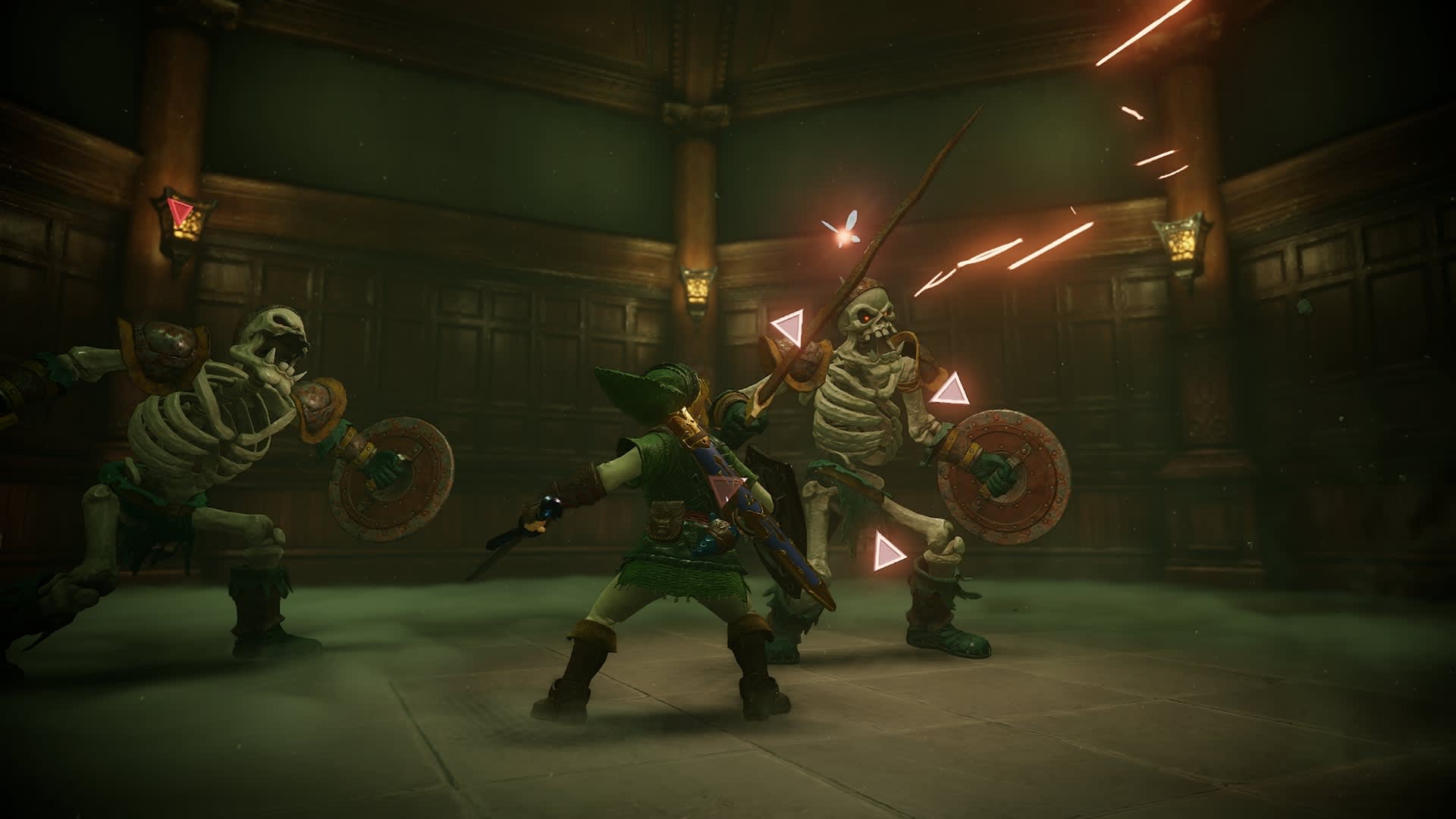
VGC also reported the jump from 20 frames per second on N64 to 60 on Switch 2, which made Stalfos fights feel far more responsive. There is a detailed map on screen at all times, plus three HUD settings (Normal, Pro and Master), with Master turning the interface off entirely. The camera now moves freely with the right stick, and Hyrule Castle Town has been rebuilt as a fully 3D space instead of the fixed camera angles of the original.
On the visuals, everyone was impressed. Nintendo Life called the detail “genuinely breathtaking” and listed cracked temple walls, tassels on Link’s tunic and billowing mist. Tom’s Guide admitted the porcelain doll look of the characters felt off in trailers but won him over in motion.
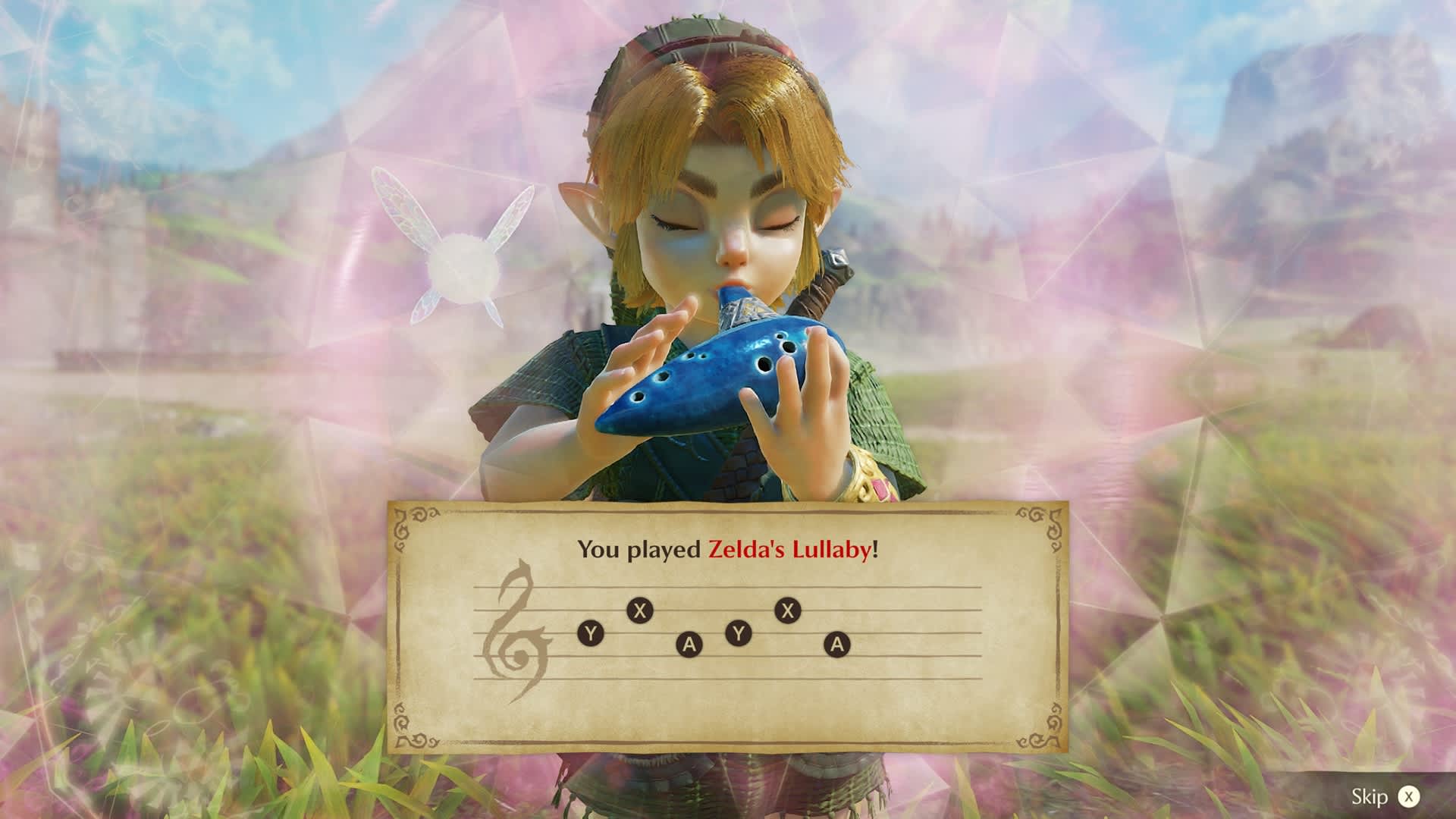
Cutscenes are now fully voiced, and character dialogue has been expanded. The Mirror pointed to a new line that spells out Mido’s jealousy over Saria, while VGC fell for a Castle Town NPC who calls himself “the famous Bearded Guy of Castle Town” and can track other bearded characters across Hyrule. Voice reactions were mixed, with Nintendo Life calling some performances great and others a bit theatrical. The soundtrack has been rerecorded with real instruments, and per Nintendo, you can even hum a learned song or play a real instrument into the Switch 2 microphone and Link’s ocarina will respond.
There are a few new systems too. The Verge and Nintendo Life both described Threads of Time, a progression tracker in the pause menu that takes over much of Navi’s old guiding role. Nintendo Life also tried the Business Scrub Seed, a consumable that summons a shop on the spot when you are low on supplies in a dungeon. Nintendo has separately confirmed a Hall of Fallen Heroes, where statues of defeated monsters let you read up on them or rematch them.
What stays faithful
For all the new paint, the bones are familiar. Nintendo Life said the basic geography of Hyrule is broadly faithful and even hit a perfect Shooting Gallery score because the targets still follow the same pattern from 1998. The Mirror said Link keeps the weighty movement of the original rather than feeling like his Breath of the Wild self, and that every character and building in Kokiri Forest is generally where you remember it.
The changes that do land on the classic route are mostly about cutting friction. VGC noticed that the Kokiri treehouses, once mostly empty rooms you walked straight out of, now have more going on. In one, a Kokiri sits at a table sketching rupees in chalk and teaches Link a little song for remembering what each color is worth, which makes the forest feel more lived in. VGC found Kokiri Forest more generous with rupees, so buying the Deku Shield no longer takes a grind. The path to the Kokiri Sword has a small twist too. Nintendo Life rounded a familiar corner in the crawlspace and found a ladder, with the first chest now sitting on top of the central platform that the boulder rolls around. The change is there to teach the new jump button, nudging players to press X the same way Breath of the Wild did. In the Forest Temple, both Nintendo Life and The Mirror noted a new lift in the block-pushing rooms, and Nintendo Life said the time limit on the Poe painting puzzle is gone.
The familiar irritation
Nintendo Life’s headline gripe is, fittingly, Navi. The good news is that she speaks up out loud far less, and VGC noted you can now ask her for enemy tips on demand by locking on and pressing Right on the D-pad. The catch is that she now comments through text bubbles that pop up in the middle of the screen. Gavin Lane quoted lines like “So high…” before the big jump in the Deku Tree, “Twisty!” in the Forest Temple corridor, and “Wow, the world is so big!” on your first steps into Hyrule Field, and said the moments would hit harder without the commentary.
There is also an adjustment period for veterans. Nintendo Life and VGC both mentioned that the old jump attack now takes a lock-on, a manual jump and a sword swing, which takes a little getting used to. The visuals weren’t flawless. Nintendo Life spotted some minor artifacts and shimmering in characters’ hair, though it said Nintendo’s rule of capturing footage close to the screen probably made them stand out more than they would from a normal viewing distance. Previewers also played docked only, so there are no handheld impressions yet.
The Legend of Zelda: Ocarina of Time launches November 5 on Switch 2, and we’ll round up the scored reviews once they arrive. Until then, it sounds like the Forest Temple is worth playing with the lights off.