
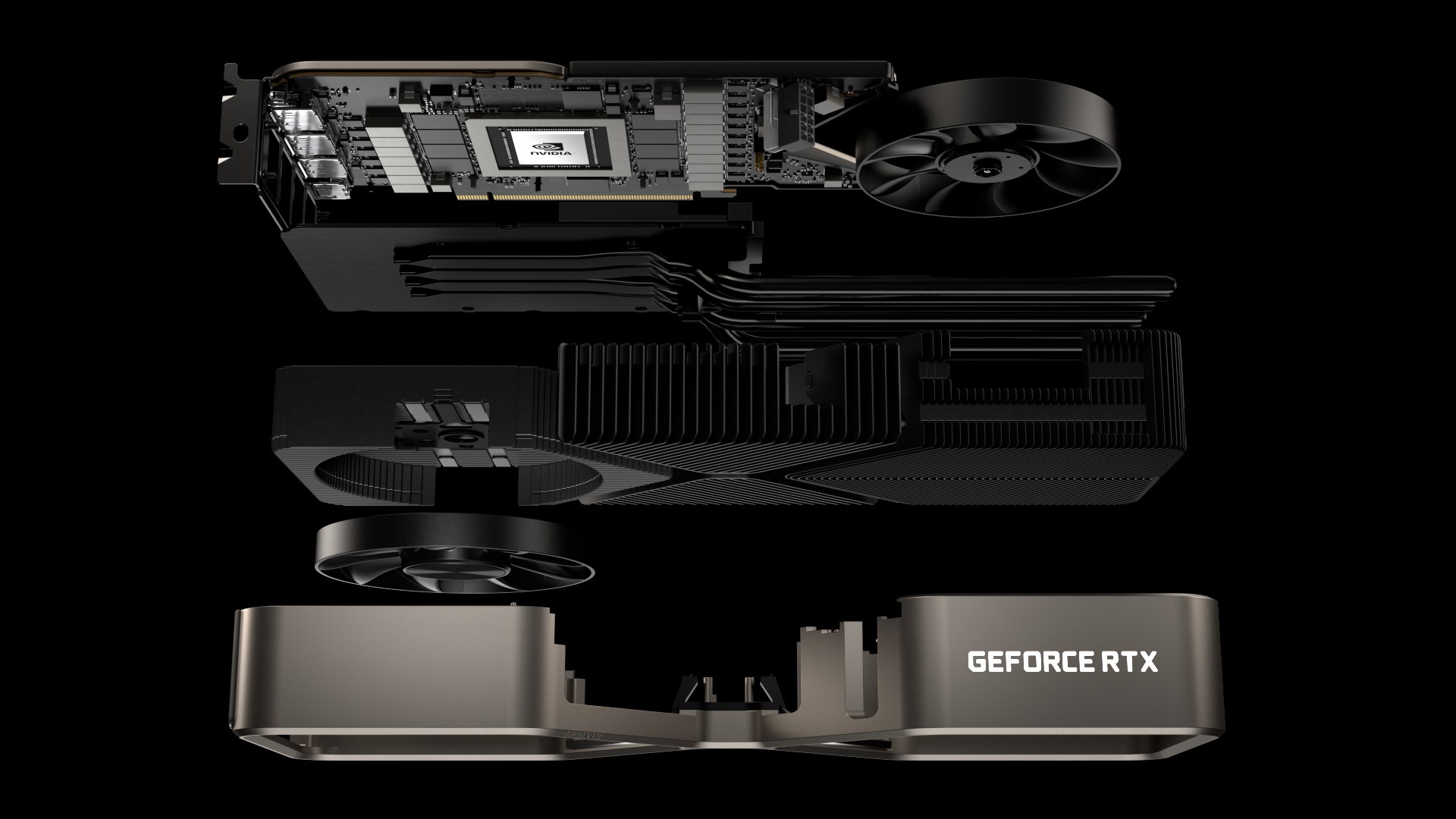
Gaming RAM prices are the quiet reason almost every piece of gaming hardware got more expensive this year, and if you’re deciding whether to buy now or wait, memory is the part to watch. The short version: buy what you need today rather than gambling on a price drop next spring, because the real relief depends on new memory factories that only start coming online in 2027.
How we got here
Memory chips come out of a small number of very expensive factories, called fabs, run mostly by Samsung Electronics, SK hynix, and Micron, with Nanya and China’s CXMT behind them. The same fabs make the DRAM in your PC, the GDDR on your graphics card, the LPDDR in a handheld, and the high-bandwidth memory (HBM) stacked next to AI accelerators in data centers. Cars are joining that line too, and Electron Motion looks at why memory is becoming the next bottleneck for self-driving cars.
AI servers want enormous amounts of that memory, and they pay more for it. So memory makers have been steering their best production lines toward server DRAM and HBM. TrendForce’s fourth-quarter outlook says suppliers are still prioritizing those server products, keeping the overall DRAM market undersupplied, and it expects conventional DRAM contract prices to rise another 10 to 15 percent this quarter. TrendForce says the pace of those increases should moderate, so prices are still climbing, just less steeply.
Micron, one of the big three, put it even more bluntly on its September 30 earnings call. It expects memory supply to be tighter in 2027 and 2028 than it was in 2026, it has already signed agreements for the vast majority of its 2027 HBM supply, and it says it doesn’t yet have line of sight to when supply and demand will balance again.
What the crunch has already done to consoles and PCs
You’ve seen the receipts. PlayStation announced on the PlayStation Blog that US prices would rise on April 2, to $649.99 for PS5, $599.99 for the Digital Edition, and $899.99 for PS5 Pro.
Xbox was the most direct about the cause. In its June 25 price update, Xbox said console storage and memory prices had risen more than 2.5 times and that it expects another doubling by fall 2027. Starting August 1, 512GB models went up $100 and 1TB models went up $150, and Xbox is phasing out its 2TB model.
Nintendo followed. Its price revision notice moved Switch 2 from $449.99 to $499.99 in the US on September 1, citing market conditions it expects to last over the medium to long term.
PC players got hit from two directions. According to The Verge, the Steam Machine starts at $1,049 for the 512GB model, and Valve told the site it is selling the hardware about as close to cost as it can. Valve also told The Verge the component crunch has it looking at around two-thirds of the launch quantity it originally planned. Desktop RAM itself is expensive, too. TrendForce’s spot price tracker showed a 16GB DDR5 desktop module averaging about $239 in wholesale spot trading in mid-October, and GDDR6, the memory on many graphics cards, is still edging up week to week. TrendForce expects graphics memory prices to keep rising, with GDDR7 output limited because the most advanced lines are busy making server DRAM.
Why this matters for the next generation
Console makers usually sell hardware close to cost, or below it, and count on cheaper parts later in a generation to cut prices. Xbox said in its update that consoles are typically sold for less than they cost to make. A TrendForce report from last December said memory would make up more than 35 percent of the bill of materials for the PlayStation and Xbox consoles in 2026, and 21 to 23 percent for Switch 2. When a third of the box is memory and memory keeps rising, the old mid-generation price cut stops happening.
That puts pressure on whatever comes next. A new console has to ship with more memory than the last one to make a generational jump, and right now that memory is the most expensive it has been in years. Nobody has announced a next-generation delay or price because of RAM, so treat any rumor that says otherwise with suspicion. But it’s fair to say the timing of the next wave of hardware will line up with when memory gets cheaper, not the other way around.
The light at the end of the tunnel
The good news is that the industry is building, and building big. Memory makers are building new fabs in the US, South Korea, Taiwan, and Japan, and several of them start producing in 2027. Fabs take years to build and then months to ramp, so each one adds supply gradually rather than flipping a switch. Micron’s own remarks note that new output becomes meaningful a few quarters after the first wafers.
Here’s where the major memory fabs stand, from long-running sites to the ones still being built.
| Company | Site | Makes | Status and expected output |
|---|---|---|---|
| Samsung Electronics | Giheung, South Korea | DRAM | Running |
| Micron | Manassas, Virginia, US | Specialty DRAM, NAND, NOR | Running |
| Samsung Electronics | Hwaseong, South Korea | DRAM, NAND | Running |
| Micron | Taoyuan, Taiwan | DRAM | Running |
| Micron | Taichung, Taiwan | DRAM, HBM | Running |
| SK hynix | Icheon, South Korea | DRAM, HBM | Running |
| Samsung Electronics | Pyeongtaek, South Korea | DRAM, HBM, NAND | Running, with a new P5 fab reportedly targeting 2028 |
| SK hynix | Cheongju, South Korea | DRAM, NAND, HBM | Running, with the new M15X fab reportedly starting wafers in early 2026 and now ramping |
| CXMT | Hefei, China | DRAM | Running |
| CXMT | Beijing, China | DRAM | Running |
| SK hynix | Yongin cluster Y1, South Korea | HBM, next-gen DRAM | Under construction, first cleanroom opens February 2027, ahead of volume output |
| Micron | Boise, Idaho, US (ID1) | Leading-edge DRAM | Under construction, first wafer output mid-2027 |
| Micron | Tongluo, Taiwan | DRAM | Micron agreed to buy the site from PSMC for $1.8 billion; shipments planned for mid-2027 |
| Nanya Technology | Fab 5A, New Taipei, Taiwan | 10nm-class DRAM | Under construction, first wafers reportedly in the second half of 2027 |
| Tesla | Research fab, Giga Texas, Austin, US | Pilot chipmaking | Broke ground April 2026. No official output date; Giga Texas watcher Joe Tegtmeyer expects limited operations in late 2027. For comparison, Giga Texas went from construction start to first deliveries in about 21 months |
| Micron | Boise, Idaho, US (ID2) | Leading-edge DRAM | Under construction, first wafer output late 2028 |
| Micron | Hiroshima, Japan (new cleanroom) | Advanced DRAM, HBM | Broke ground July 4, 2026, equipment from the second half of 2028, initial output late 2028 |
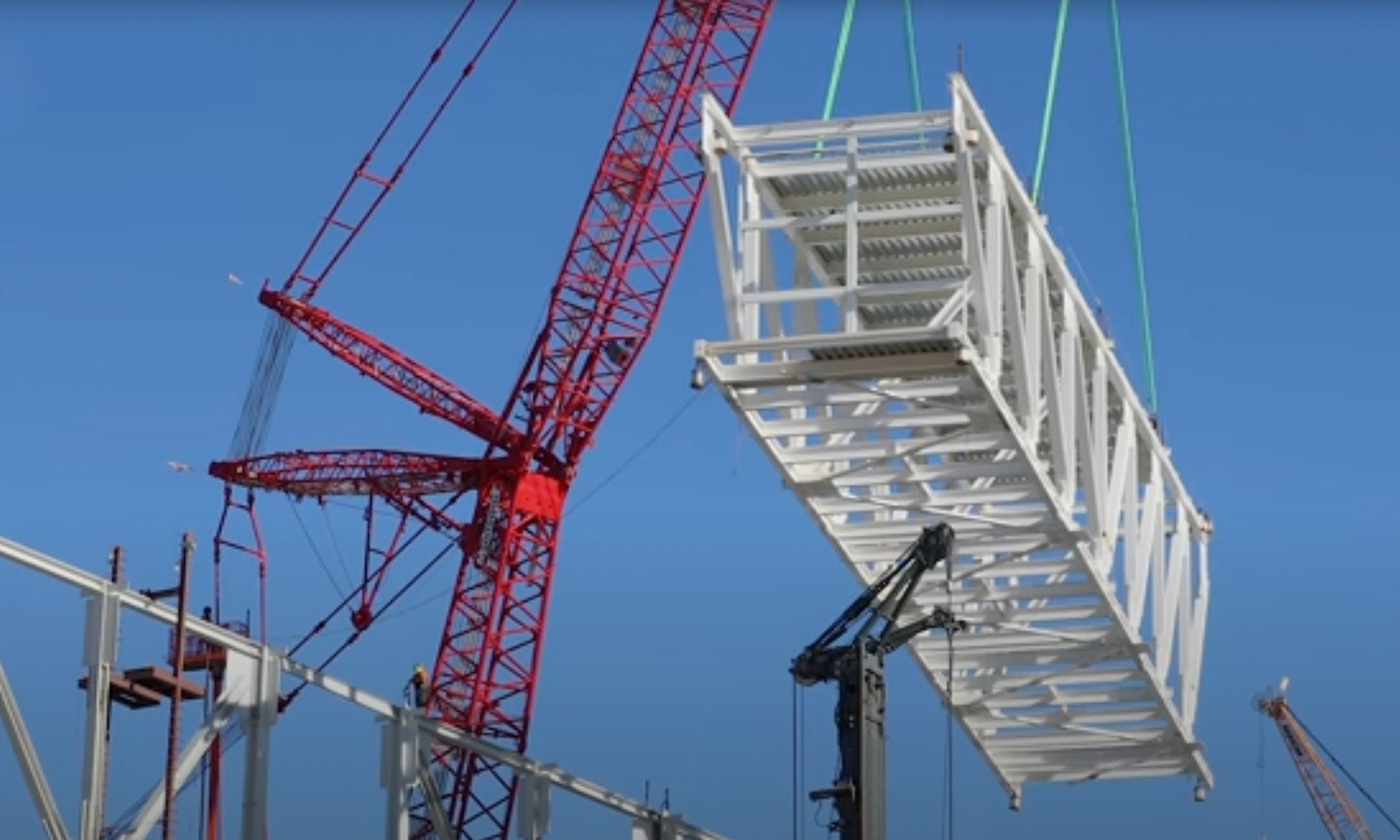
| SpaceX and Tesla (Terafab) | Grimes County, Texas, US | Logic, memory, packaging | Land clearing began in early August 2026 (drone footage), with concrete footings and pipe work under way by mid-October (Oct 16 flyover). Commercial operations 2028 per state filings; SemiAnalysis estimates late 2029 |
| Samsung Electronics | Yongin national complex, South Korea | Memory and foundry | Site preparation began October 2026, first fab reportedly starts construction in 2028 and targets operation in October 2029 |
| SK hynix | Yongin cluster Y2, South Korea | HBM, next-gen DRAM | Groundbreaking planned July 2027, first cleanroom June 2029 |
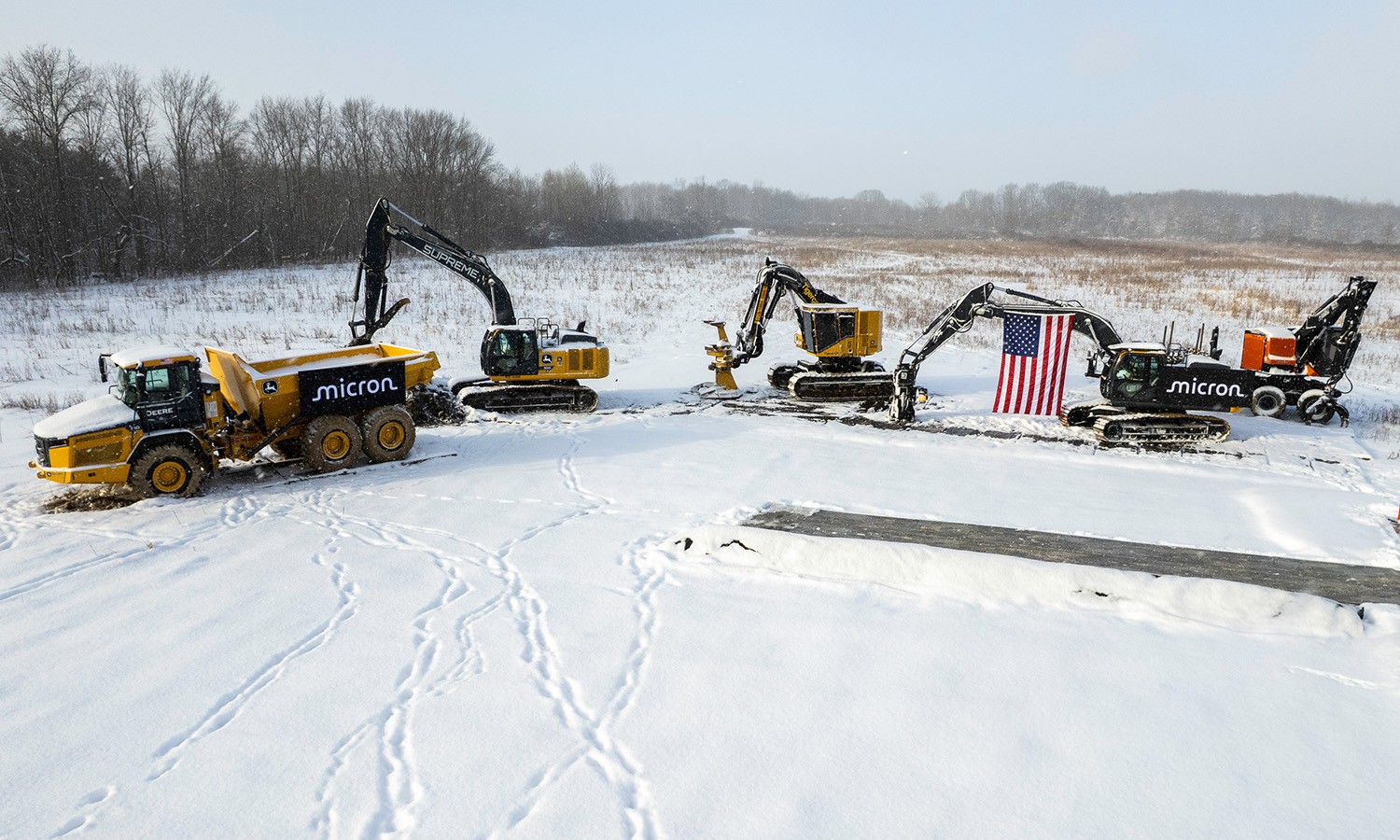
| Micron | Clay, New York, US | Leading-edge DRAM | Broke ground January 16, 2026, initial wafer output 2030 |
The first real wave arrives in 2027. SK hynix opens its first Yongin cleanroom in February, and Micron’s first Idaho fab, the ready-made Tongluo cleanroom it agreed to buy in Taiwan, and Nanya’s Fab 5A, according to Taiwanese press reports, all start adding wafers later in the year. A second wave lands in late 2028 and 2029, with Micron’s second Idaho fab and new Hiroshima cleanroom, SK hynix’s second Yongin fab, and the first fab at Samsung’s huge new Yongin complex, which Korean press reports put at October 2029. Micron’s New York megafab is the long game, with first output in 2030. SpaceX and Tesla’s Terafab in Grimes County, Texas, is the wild card. State filings target commercial operations in 2028, but SemiAnalysis expects it to start running closer to late 2029, according to Tom’s Hardware.
There’s a catch worth keeping in mind. A lot of that new capacity is aimed at HBM and server memory, because that’s where the money is. HBM also eats more factory space than its share of chips suggests. TrendForce estimates HBM will take about 22 percent of the top three suppliers’ DRAM wafer input by the end of 2026 and about 30 percent by the end of 2027, while making up only about 9 and 13 percent of total DRAM bits. Every wafer that goes to HBM is one that doesn’t become the DDR5 in your PC or the GDDR on your graphics card. Memory makers are also locking in big customers for years at a time. Micron says its long-term agreements already cover more than 35 percent of its expected revenue through 2030, and SK hynix has long-term agreements with around 10 key customers. That should make the cycle smoother, but it also means a big share of new supply is spoken for. So PC and console memory will probably feel relief later than data centers do, and it’ll come as prices flattening out first, then easing, rather than a sudden crash.
What to do about gaming RAM prices right now
If you need a console or a PC upgrade this holiday, buy it. Waiting for a price cut in the next six months is a bet against Micron’s own forecast and against what Xbox told its players. If you’re building a PC, put your budget into the GPU and CPU and buy the amount of RAM you need today rather than padding it, since more memory is an easy upgrade later when prices come down. If your current setup still runs what you play, holding until the 2027 fabs ramp is a reasonable plan too, as long as you go in knowing that relief is more likely in 2027 and 2028 than this spring. We’ll keep tracking prices on our PC, PlayStation, Xbox and Nintendo hubs.
Memory got squeezed because AI showed up hungry, and the industry’s answer is concrete, steel, and cleanrooms that take years to build. Those buildings are going up right now, and when they’re full, gaming hardware should finally get cheaper again.