
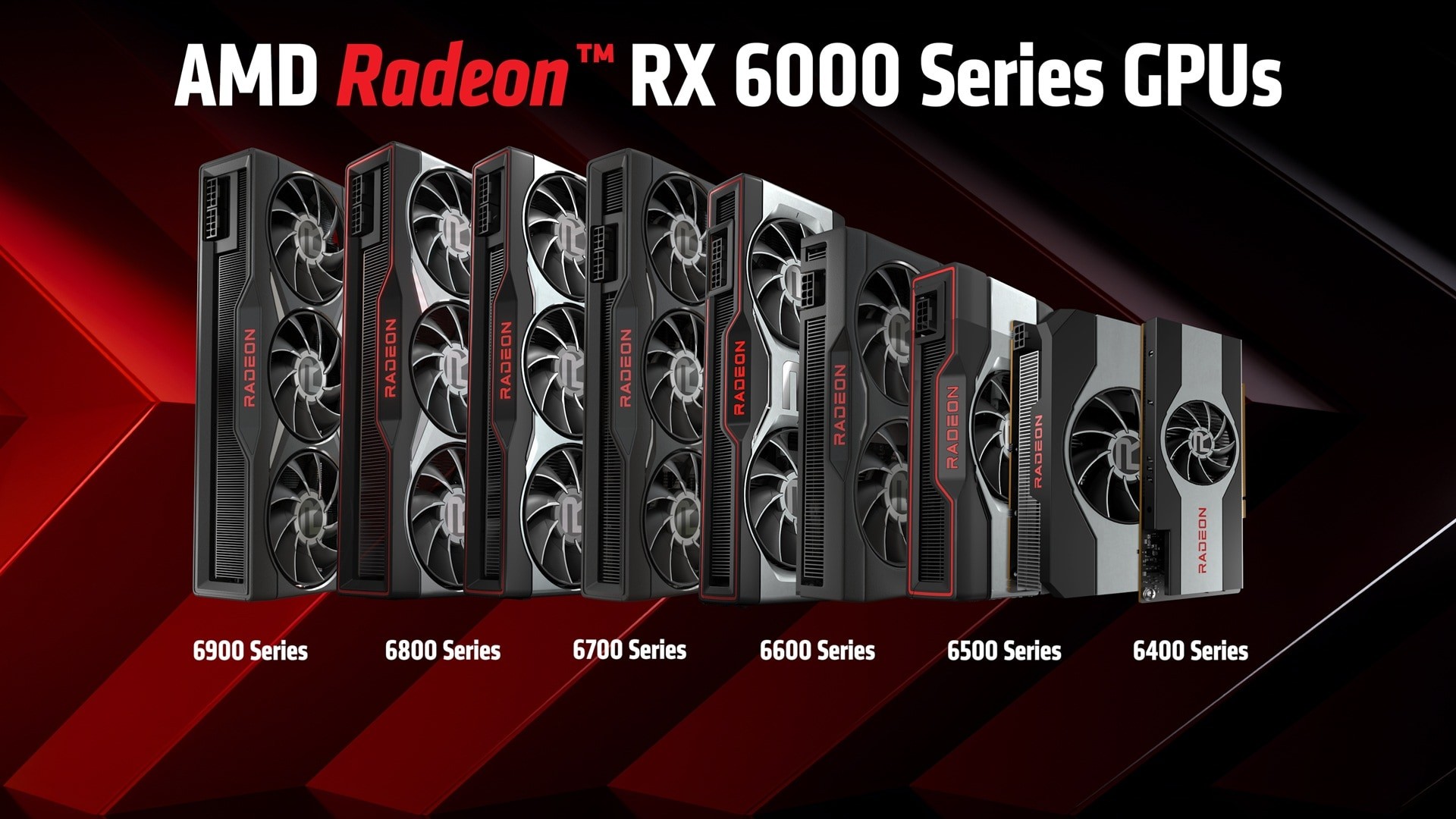
FSR 4.1, AMD’s machine learning upscaler, just opened up to a lot more hardware. As of Tuesday, Radeon RX 6000 graphics cards and laptops with Ryzen AI Max or Ryzen AI 9 chips can use it through the new Adrenalin 26.10.1 driver. Handhelds with Ryzen Z2 chips are on AMD’s list as well, and Xbox Series X|S support is coming soon. Here’s where your device lands and how to switch it on.
Does your device get FSR 4.1?
AMD’s announcement covers desktop cards, laptops, handhelds, and Xbox consoles, but they don’t all get it the same way or at the same time.
| Device or GPU family | FSR 4.1 status | How you get it |
|---|---|---|
| Radeon RX 9000 Series | Supported (FSR 4 launched here in 2025) | Already there with a current Adrenalin driver |
| Radeon RX 7000 Series | Supported since this summer | Already there with a current Adrenalin driver |
| Radeon RX 6000 Series | New as of Oct 20 | Adrenalin 26.10.1 from AMD.com |
| Ryzen AI Max 300 and 400 Series (laptops, mini PCs) | New as of Oct 20 | Adrenalin 26.10.1, or your laptop maker’s driver |
| Ryzen AI 9 300 and 400 Series laptops | New as of Oct 20 | Adrenalin 26.10.1, or your laptop maker’s driver |
| ROG Xbox Ally X and Ally X20 (Ryzen AI Z2 Extreme) | Announced, timing set by ASUS | A driver update from ASUS |
| Other Ryzen AI Z2 Extreme, Ryzen Z2 Extreme and Ryzen Z2 A handhelds | Announced, timing set by the device maker | A driver update from the handheld’s maker |
| Base ROG Xbox Ally (Ryzen Z2 A) | On AMD’s chip list, but reports conflict (see below) | Wait for word from ASUS |
| Xbox Series X and Series S | Coming soon, no date | Not announced yet |
| Radeon RX 5000 and older | Not on AMD’s list | Stick with FSR 3.1 |
If you’re on a Radeon desktop card, you can grab the driver from AMD’s driver page right now. Laptop owners can use the same driver, though AMD’s release notes say it recommends the laptop maker’s own drivers if the AMD.com version gives you trouble. Handhelds are a different story. AMD’s Adrenalin driver doesn’t cover handheld gaming devices, so those updates have to come from the company that made your handheld, and AMD says release timing may vary by device.
How to turn on FSR 4.1
AMD’s FSR page lays out two ways in, and which one you use depends on the game.
Some games have the machine learning version of FSR built in, so you just pick it in the game’s graphics menu. AMD notes that some of those menus still call it AMD FSR 4, since that’s the older name for the same tech.
For games that only have FSR 3.1 or newer built in, AMD’s software can upgrade them to the new upscaler. Install the latest driver first, then follow AMD’s steps:
- Make sure you have at least one supported game installed.
- With the game closed, open AMD Software: Adrenalin Edition and click the Gaming tab.
- Click the Graphics sub tab to get to the global graphics settings.
- Turn on the AMD FSR Upscaling toggle (AMD also suggests Radeon Anti-Lag 2 in games that support it).
- Launch the game, turn on FSR 3.1 in its graphics or video settings if it isn’t already on, and pick the quality preset you want.
There’s a catch for older hardware. AMD’s compatibility chart lists RX 6000, RX 7000, Ryzen AI Max, Ryzen AI 9, and the Z2 handhelds as upscaling only. The newer machine learning frame generation still needs a Radeon RX 9000 card, so the AMD FSR Frame Generation toggle in that menu won’t give RX 6000 owners the new ML frame generation. AMD says ML-based FSR Upscaling is in more than 400 games.
What changes from FSR 3.1
FSR 3.1 doesn’t use machine learning, according to AMD’s own feature chart. FSR 4.1 does, using it to rebuild a sharper image from a lower resolution frame, and AMD calls the result a “significant leap in image quality” over FSR 3.1. For RX 6000 owners, AMD says it took the INT8 model it built for the RX 7000 series and optimized it to run on cards that first came out in 2020. Ryzen AI 9 laptops and the Z2 handhelds get what AMD describes as a new, more efficient version of FSR 4.1 built for that class of hardware.
AMD hasn’t shared frame rate numbers for any of the newly supported devices. For now, the selling point is image quality: cleaner upscaling at the settings you already use, on hardware you already own. If you’ve been putting off an upgrade because of what memory is doing to GPU and PC prices, that’s welcome extra life for an older card.
Xbox Series X|S and the Series S question
AMD says Xbox CTO Scott Van Vliet confirms in its announcement video that FSR 4.1 is coming soon to Xbox Series X|S. There’s no date yet. As transcribed by Windows Central, Van Vliet says Microsoft has “worked very closely with AMD to optimize this technology, giving developers another powerful tool for great performance and visual quality for players.”
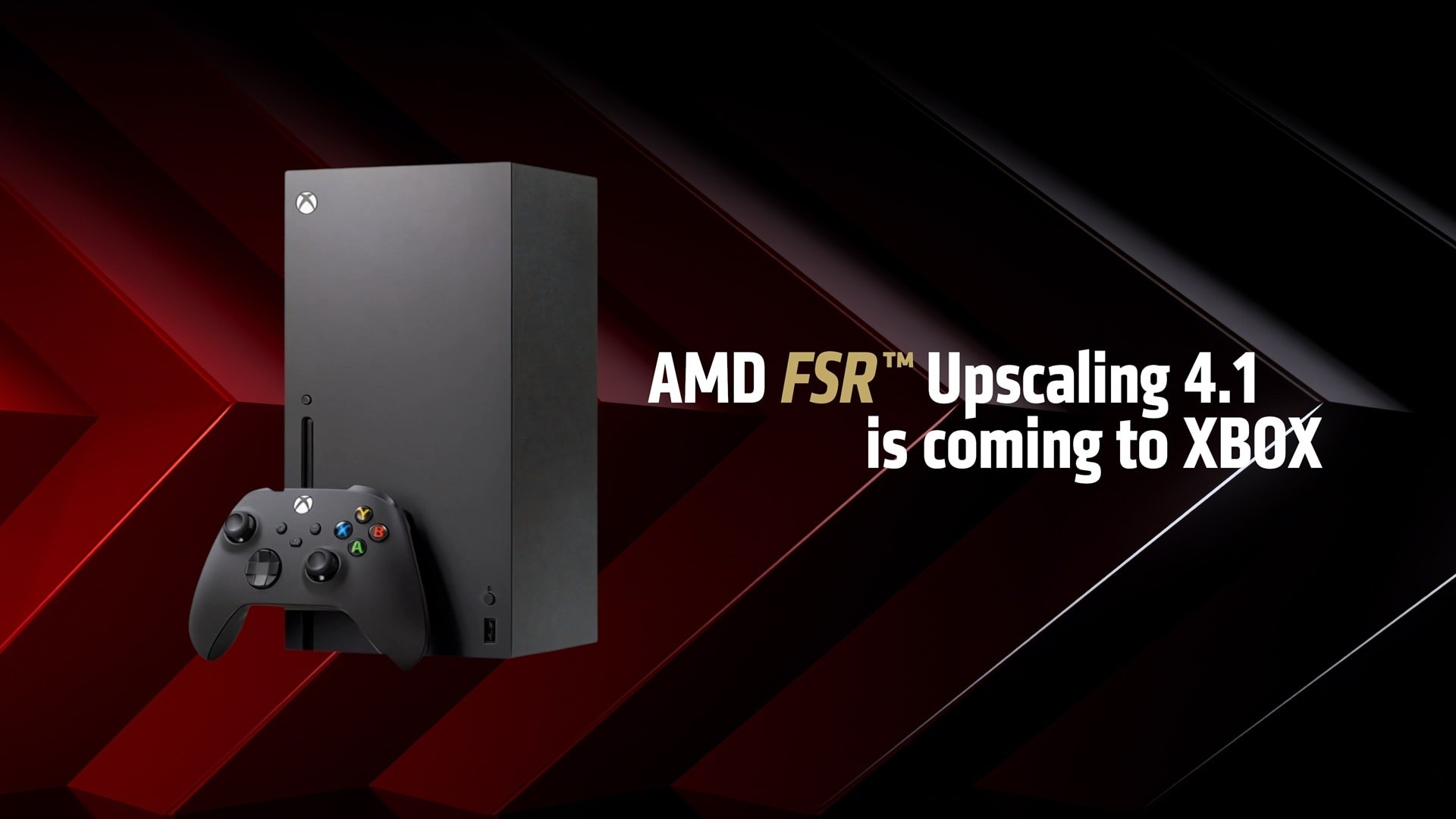
Van Vliet describes it as a tool for developers, which suggests it will show up game by game rather than as a switch in the console settings. Microsoft hasn’t confirmed how the rollout will work. The Series S is the console to watch. Windows Central’s Jez Corden points out that the Series S has been tough for developers to target, and argues FSR 4.1 could take some of the pressure off hitting a clean 1080p image on it. That’s his read, not a promise from Microsoft, but it’s the reason a lot of Series S owners are paying attention. PlayStation owners have their own version of this story with PlayStation’s QSSR upscaling.
Handhelds: the Ally X is in, the base Ally is murky
The ROG Xbox Ally X and the new Ally X20 both run on the Ryzen AI Z2 Extreme, which AMD specifically calls out. AMD says the jump in image quality should be clear “even on the small screens of portable gaming devices.” The timing is up to ASUS, though, and AMD’s own footnote tells handheld owners to check with their device maker for official dates.
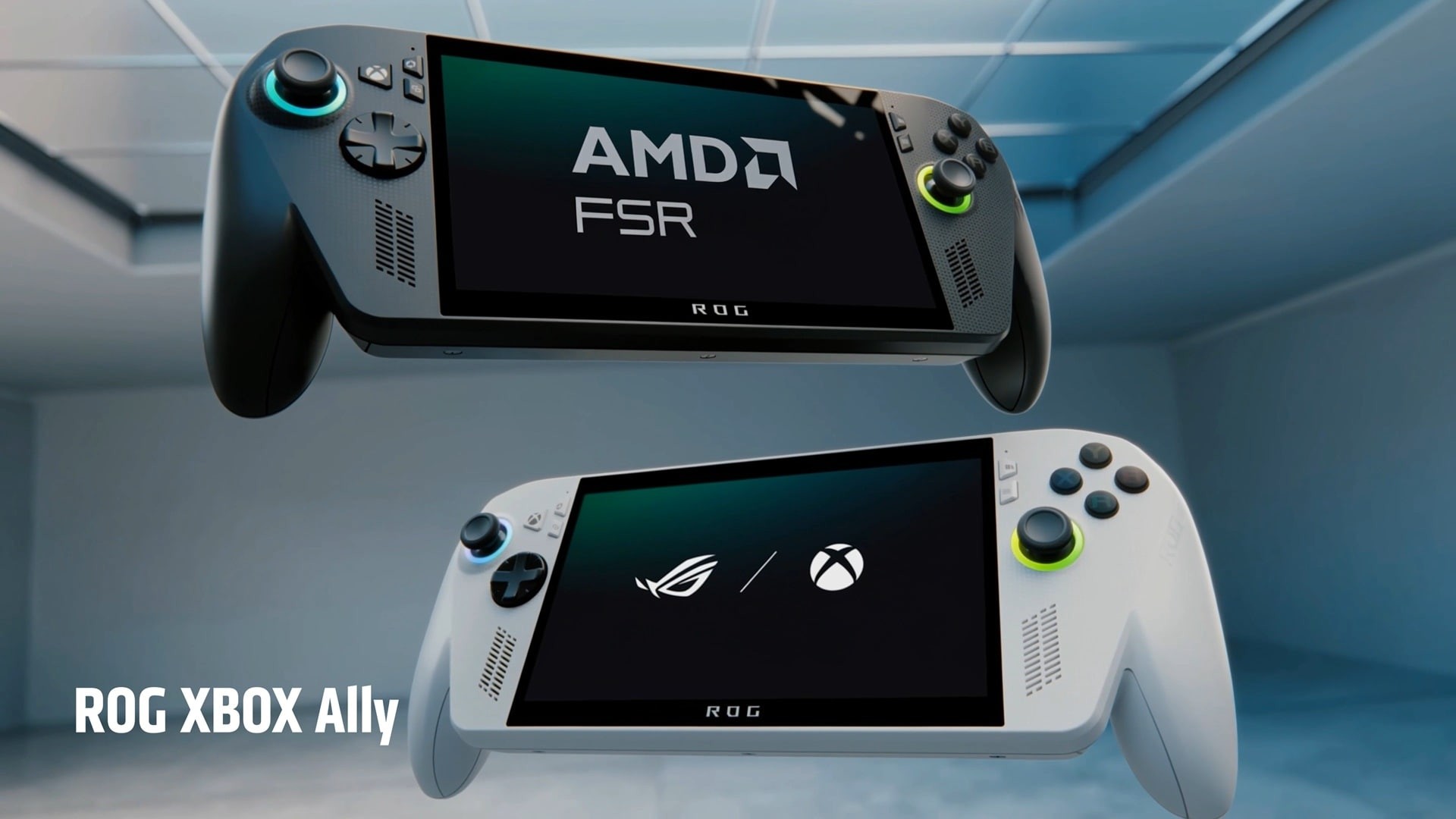
The base ROG Xbox Ally is where it gets confusing. It uses the Ryzen Z2 A, and AMD’s list includes Ryzen Z2 A handhelds. Windows Central, however, reports that the base Xbox Ally is fully incompatible with FSR 4.1. Until ASUS says which way it goes, base Ally owners shouldn’t count on it either way.
Vulkan and frame generation tweaks
AMD also announced FSR 4 support for Vulkan games and better frame pacing for FSR Frame Generation on Tuesday. Neither the announcement nor the 26.10.1 release notes go into detail, so if your favorite game runs on Vulkan, watch upcoming driver notes.
If you’ve got an RX 6000 card or a Ryzen AI laptop, this one’s easy: update the driver, flip the toggle, and see how your games look. Handheld and Xbox players have a little more waiting to do, but the support is officially on the way.